

The impact of facade maintenance in Sydney affects not only the cleaning of architectural cladding on buildings, but also influences other aspects, such as the protection of the investment value of the structure. In this article, we’ll look at the importance of facade care, the common problems maintenance teams struggle with, and how to overcome these problems.
Why caring for facades is important
Reasons why care of the exterior of a building is important include the following:
- Regular facade care of commercial and residential buildings preserves the aesthetics of the building. Older architectural styles can be preserved and functionally utilised for generations.
- A clean commercial building with a well-maintained exterior attracts customers.
- Regular repairs to the exterior of residential buildings ensure that residents always feel the owners care about their well-being.
Key challenges for facade maintenance teams in Sydney
Caring for the exterior of buildings presents various challenges, not only in Sydney but in all modern cities. Aspects that require special attention include the following:
Salt corrosion
Because Sydney is a coastal city, salt corrosion has to be checked thoroughly. All metal elements should regularly be inspected for rust. When rust is detected, it should be treated immediately. Fortunately, modern architects endeavour to eliminate materials that are not corrosion-resistant when they design architectural cladding systems.
Water damage
One of the common defects in buildings is that heavy rain, especially when accompanied by strong winds, can seep into the facade. This often causes mould growth. Wet conditions can even lead to structural weakening. Inspection teams should look for places where water can seep in and repair them as soon as possible.

UV damage
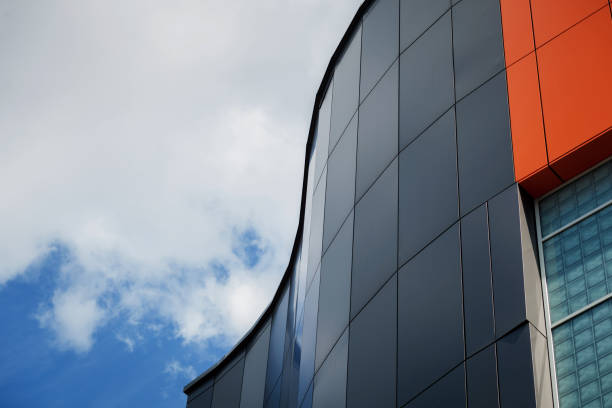
Although some facade materials, such as aluminium composite panels in Sydney, are UV-resistant, strong sunlight can still fade paints and coatings over time. The challenge for the team inspecting the facades is to decide at what stage re-coating or repainting should be done.
Diverse materials
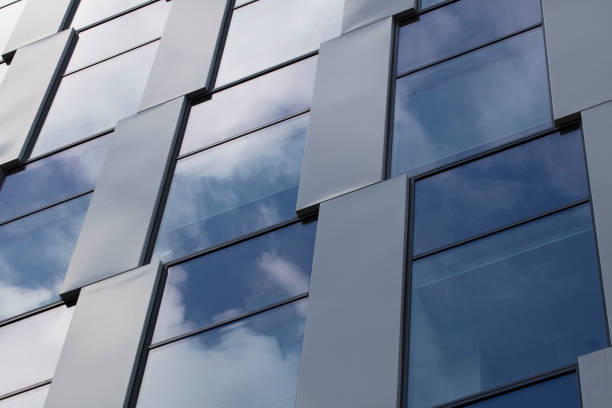
Architects use diverse materials for facades, and the cleaning teams must have the expertise to inspect and repair, for instance, glass facades, copper elements, and composite panels.
Cracks and poor construction
Inspection teams must be able to evaluate cracks in brickwork, concrete sections and plaster. Usually, hairline cracks can be fixed easily with paint or sealant. The cracks have most probably appeared as a result of natural setting. Larger cracks, however, may be an indication of structural movement or poor foundations. When large cracks are detected, the team should report the situation, and it is usually expected that the original construction company must determine whether the cracks are a result of an original major defect. Whatever the cause, steps must be taken to rectify the problem.
How modern materials help simplify maintenance
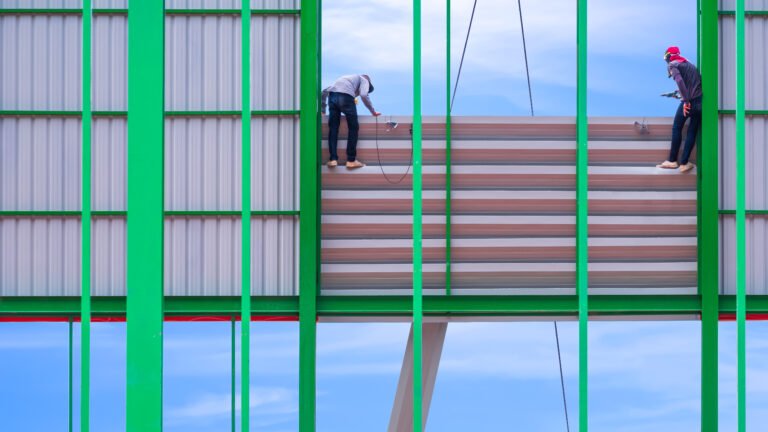
Facade maintenance is a highly specialised field and requires a team consisting of qualified engineers, contractors, and cleaning experts. In Sydney, nowadays, many teams use a new technique to eliminate the rigging of scaffolding for inspection and maintenance purposes. They use rope access, and the cost of scaffolding is saved.
Conclusion
Sydney has a unique mix of historic sandstone buildings, modern glass towers, and contemporary architecture cladding. Its salt-laden air, high humidity, and strong UV exposure make facade maintenance essential. Neglecting the facades can lead to structural damage, safety concerns, and costly repairs.